

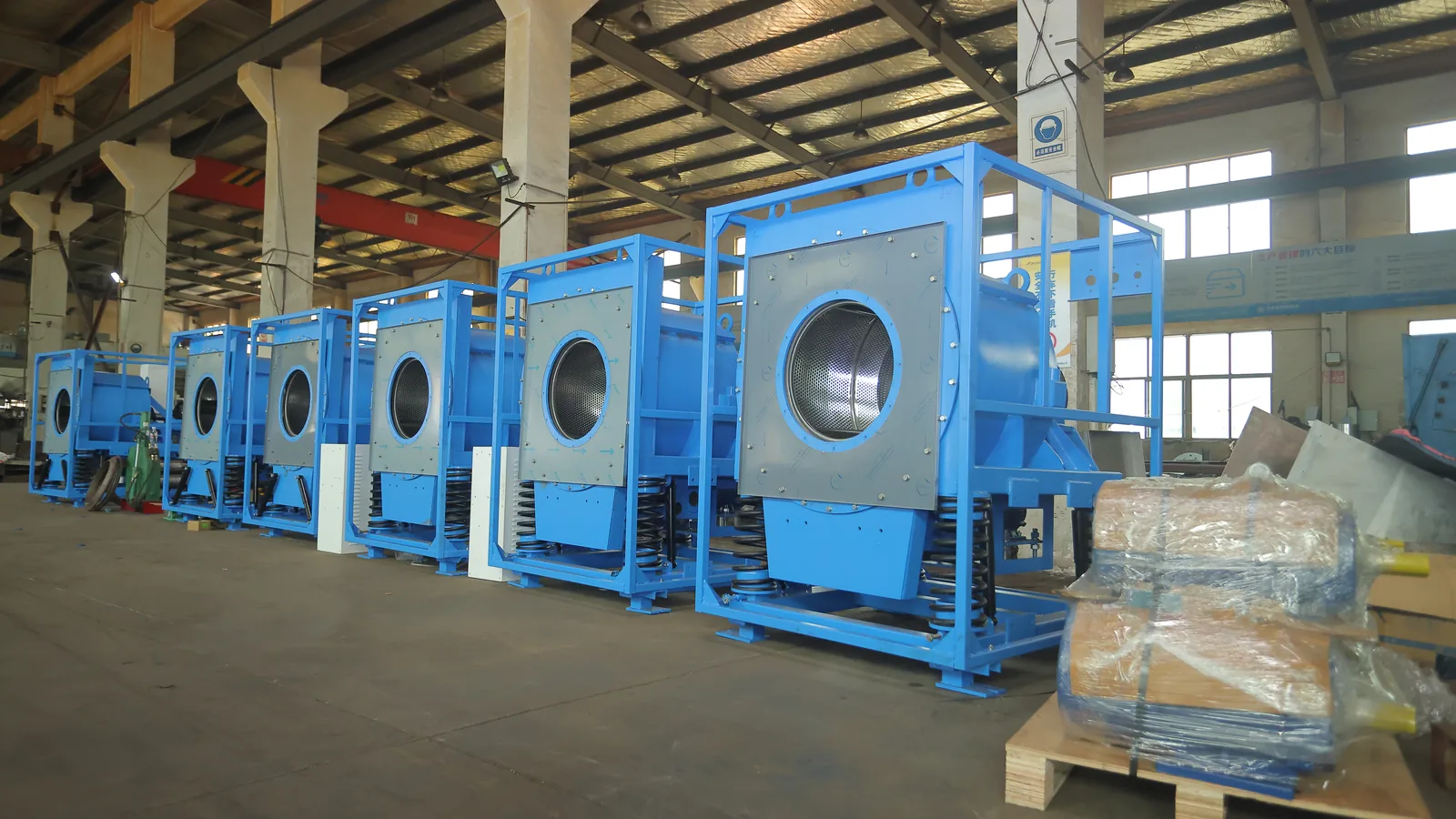
A washer extractor works through repeated cycles of loading, washing, draining and high-speed extraction. The stainless-steel cabinet is the part customers see first, but the frame, drum, bearings, drive components and suspension arrangement determine how the machine handles daily production.
At Laundry Aide, these parts are coordinated as one mechanical system. Capacity, extraction speed, foundation conditions and service access all influence how the structure should be produced and assembled.
Production strength begins inside the machine
The frame carries the wet load, rotating drum and drive system. During extraction, the load is no longer static. Water leaves the textiles while the drum accelerates, creating changing forces through the shaft, bearings and frame.
A suitable frame therefore needs more than heavy steel. Cut parts must be consistent, welded joints must hold their geometry and mounting points must remain aligned for later assembly.
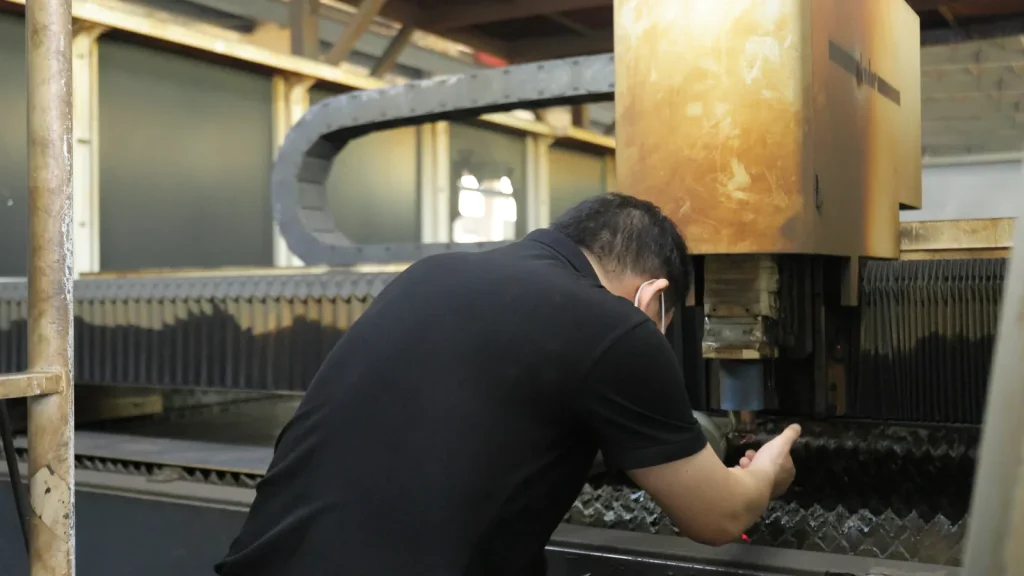
Frame fabrication controls alignment
Frame members are prepared, positioned and welded around the mechanical layout of the machine. The process must account for the drum opening, bearing supports, motor position, drainage route, cabinet panels and future maintenance space.
If these reference points move during fabrication, later components may be difficult to align. That is why frame inspection is important before the drum and drive system are installed.
The drum carries the working load
The inner drum holds the textiles through every stage of the cycle. Its dimensions influence usable capacity, mechanical action and load distribution. Perforations must allow water to move efficiently while the drum surface remains suitable for repeated textile contact.
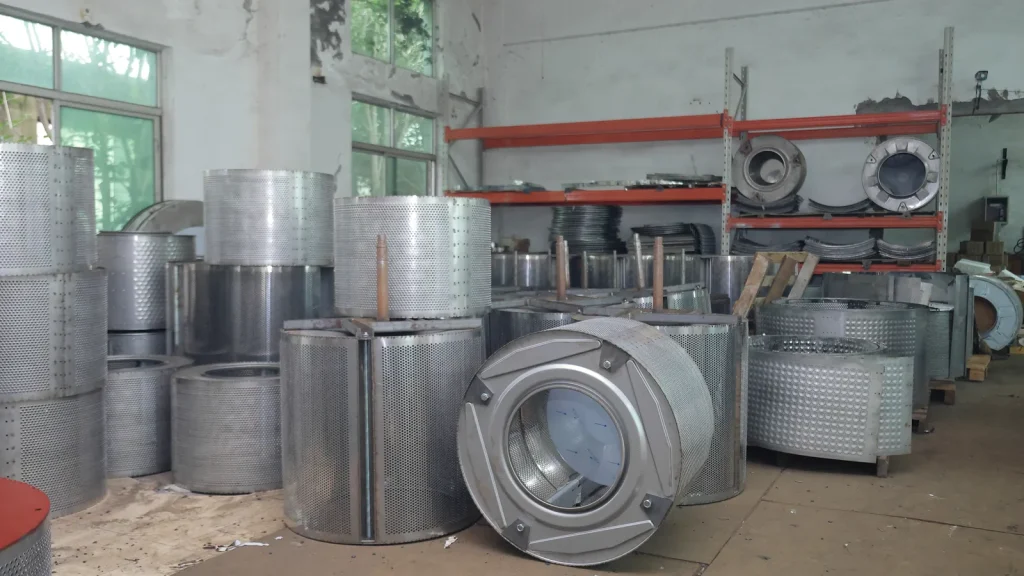
Drum balance also matters. A laundry load is rarely distributed perfectly, so the complete machine must be designed to manage realistic operating conditions rather than an ideal laboratory load.
Bearings and drive alignment support stable operation
The shaft, bearings, pulley or direct-drive arrangement must transfer torque while keeping the drum correctly positioned. Alignment affects vibration, component wear, noise and service life. During assembly, technicians check the relationship between the drum, bearing supports, drive motor and frame instead of treating each part as a separate installation.
Suspension depends on the machine type
Soft-mount washer extractors use a suspension system to isolate much of the extraction force from the floor. Springs, dampers and structural clearances must work together and remain accessible for inspection.
Rigid-mount and large industrial models manage forces differently and normally place greater importance on foundation and anchoring requirements. The correct approach depends on the model, capacity and installation site, so foundation assumptions should be confirmed before equipment selection.
Assembly turns the components into one system
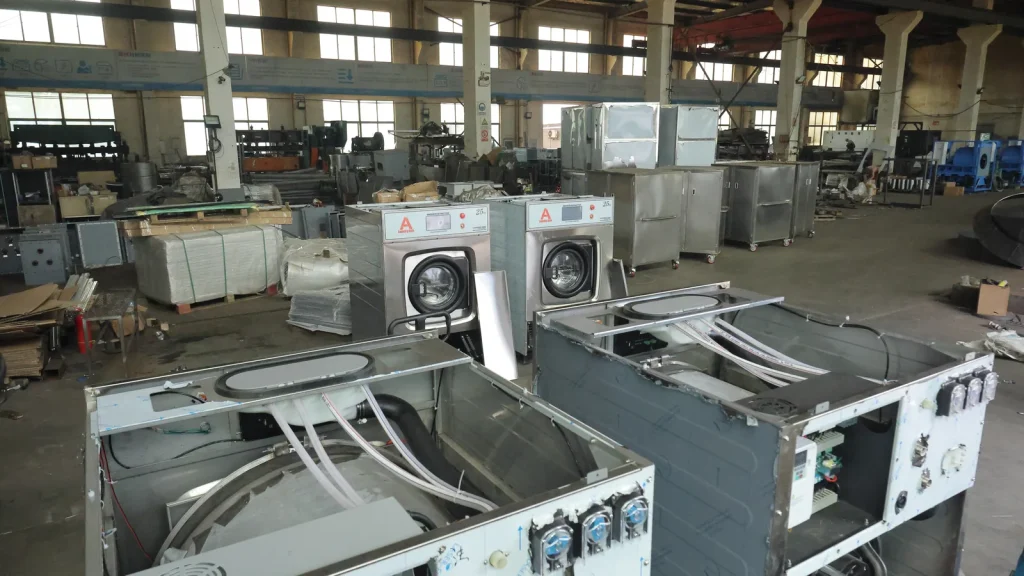
Once the main structure is ready, the drum, drive, valves, drainage, controls and safety components are installed. Technicians then check movement, clearances, wiring, water paths and operating functions before the machine moves to final inspection.
What buyers should confirm before selecting a washer extractor
- Required dry-load capacity and loads per day
- Textile type and expected soil level
- Available voltage, water, drainage and foundation conditions
- Soft-mount or rigid-mount installation requirements
- Door, corridor and service-access dimensions
- Extraction performance needed for the downstream dryer capacity
A washer extractor should be evaluated as part of the complete laundry flow. Drum capacity, extraction, drying capacity and operating hours must remain in balance. Explore our commercial washer extractors, or send your project conditions for a configuration discussion.


